
The World Cup, as a global sporting phenomenon, undeniably acts as a powerful catalyst for digital payment innovation within the sports industry. Its immense reach and diverse audience push the boundaries of existing payment infrastructure, encouraging the development and adoption of new technologies to handle the sheer volume and variety of transactions. This isn’t just about convenience; it’s about necessity, as organizers strive to create seamless experiences for fans while maximizing revenue streams and improving operational efficiency.
Impact on Fan Experience
The modern fan expects more than just a good game; they expect a frictionless experience from ticket purchase to concession stand. The World Cup, with its massive influx of international visitors, highlights existing payment bottlenecks and directly incentivizes solutions.
Contactless Payments at Stadiums
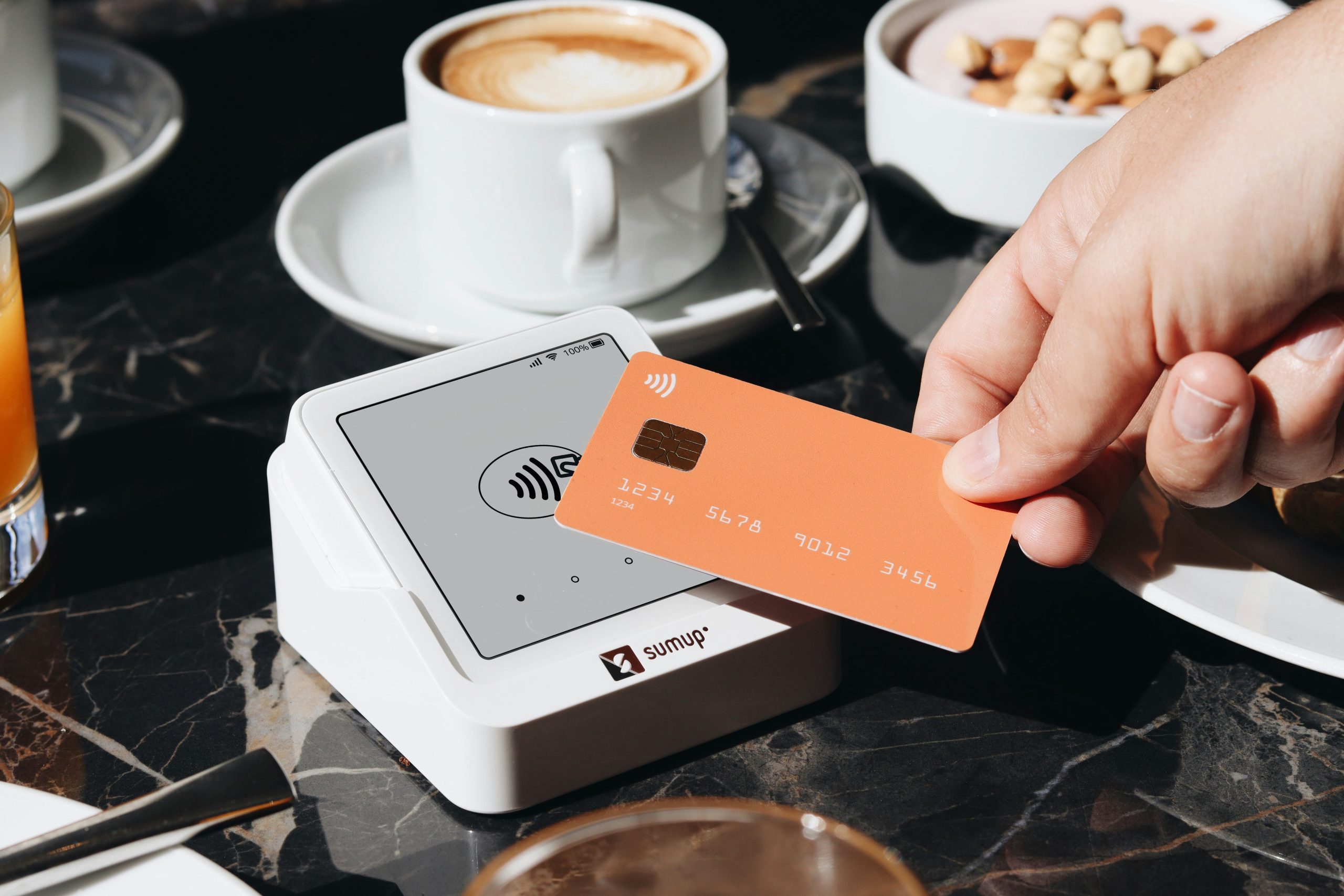
For years, cash and card terminals were the norm. However, the World Cup has accelerated the deployment of contactless payment options. This includes NFC (Near Field Communication) enabled cards and mobile wallets like Apple Pay and Google Pay, making transactions quicker and reducing queues at high-traffic points within stadiums. This shift directly addresses the need for speed when thousands of fans are trying to purchase food or merchandise during a short halftime break.
Integrated Ticketing and Payments
The integration of ticketing with payment systems is another area experiencing rapid innovation. Digital tickets, often accessible via a smartphone app, can now be linked directly to a pre-funded digital wallet or even a bank account. This allows for a single point of interaction for fans to enter the stadium and make purchases, reducing the need for multiple physical cards or cash. Some systems even allow pre-ordering of food and drinks for pickup, further streamlining the fan journey.
Personalized Fan Engagement Through Data
Each digital transaction generates valuable data. While privacy concerns are paramount, this anonymized data can be leveraged to understand fan purchasing habits and preferences. This allows organizers to tailor promotions, optimize concession stand offerings, and even personalize future World Cup experiences, from merchandise recommendations to special offers on travel packages.
As the world gears up for the upcoming World Cup, innovations in digital payment systems are set to transform the way fans engage with the tournament. A recent article discusses how these advancements are enhancing the overall experience for spectators, allowing for seamless transactions and improved access to merchandise and services. For more insights on this topic, you can read the full article here: World Cup Digital Payment Innovations.
Operational Efficiency for Organizers
Beyond the fan experience, digital payments offer significant operational advantages for World Cup organizers, simplifying complex logistical challenges and providing greater financial control.
Reduced Cash Handling and Security Risks
Managing large sums of cash is a logistical and security nightmare. Digital payment systems dramatically reduce the reliance on physical currency, lowering the risk of theft and errors associated with manual cash counting. This translates to lower security costs and a more secure environment for both staff and fans.
Streamlined Vendor Management and Payouts
The World Cup involves a vast network of vendors, from food suppliers to merchandise retailers. Digital payment platforms allow for faster, more transparent payouts to these vendors. Automated systems can track sales in real-time, facilitating quicker reconciliation and reducing administrative burdens, ensuring that vendors are paid promptly and accurately.
Real-time Revenue Tracking and Analytics
With digital transactions, organizers gain access to real-time revenue data. This allows for immediate insights into sales trends, popular items, and peak purchasing times. This data is crucial for dynamic inventory management, staffing adjustments, and optimizing pricing strategies during the event. It moves away from post-event analysis to proactive decision-making.
Driving Financial Inclusion and New Markets
The global nature of the World Cup means attracting fans from various economic backgrounds and regions with differing financial infrastructure. Digital payments play a crucial role in bridging these gaps.
Catering to Unbanked Populations
In some parts of the world, a significant portion of the population remains unbanked or underbanked. Mobile payment solutions, which often require only a basic feature phone, can provide a pathway for these individuals to participate in the digital economy of the World Cup. This fosters broader participation and allows organizers to tap into new market segments.
Cross-Border Payment Facilitation
International travel is central to the World Cup. Digital payment ecosystems are essential for facilitating seamless cross-border transactions, whether it’s ticket purchases from abroad or fans using international payment methods at stadiums. This often involves partnerships with global payment processors and a focus on multi-currency support, making it easier for foreign visitors to spend without worrying about exchange rates or carrying large amounts of local currency.
Micro-Payments for Digital Content
Beyond the physical experience, the World Cup generates a wealth of digital content, from exclusive highlights to behind-the-scenes access. Digital payment solutions, particularly those supporting micro-transactions, allow fans to pay for small, on-demand content pieces, creating new revenue streams for content creators and rights holders. This democratizes access to premium content, allowing fans to pay for exactly what they want, when they want it, without committing to larger subscriptions.
Security and Fraud Prevention Innovations
With the increased volume of digital transactions, the World Cup also becomes a testing ground for enhanced security measures and fraud prevention technologies. The stakes are high, and the sheer number of transactions makes it an attractive target for malicious actors.
Advanced Encryption and Tokenization
Securing payment data is paramount. The World Cup environment pushes for the adoption of advanced encryption standards and tokenization, where sensitive cardholder data is replaced with a unique, meaningless identifier (token). This significantly reduces the risk of data breaches and makes it harder for fraudsters to exploit stolen information. The sheer volume of transactions occurring simultaneously demands robust and instantaneous security protocols.
Biometric Authentication Methods
Biometric authentication, such as fingerprint and facial recognition, is becoming more prevalent in payment systems. While not yet universally adopted for all stadium purchases, the World Cup acts as a validator for these technologies in high-stakes environments, potentially paving the way for broader deployment in the future. These methods offer a higher level of security compared to traditional PINs or passwords, as they are harder to compromise.
Real-time Fraud Detection and AI
The scale of World Cup transactions necessitates sophisticated, real-time fraud detection systems. These systems often leverage artificial intelligence and machine learning to analyze transaction patterns, identify anomalies, and flag suspicious activities instantaneously. This allows for immediate intervention, preventing fraudulent transactions before they are completed and minimizing financial losses for both consumers and organizations. The algorithms can learn and adapt to new fraud tactics, providing a dynamic defense mechanism against evolving threats.
As the World Cup approaches, the integration of digital payment innovations in sports is becoming increasingly significant. Fans are eager to experience seamless transactions during the event, enhancing their overall experience. A related article discusses how digital currencies are transforming the sports industry, particularly in terms of payment methods and fan engagement. You can read more about this exciting development in the article on digital payment innovations in sports here.
Future Trends and Lasting Legacy
The innovations spurred by the World Cup historically extend beyond the tournament itself, leaving a lasting mark on the broader sports and entertainment industries.
Evolution of Stadium Infrastructure
Hosting a World Cup often requires significant upgrades to stadium infrastructure, and payment systems are a key component of these upgrades. The investment in robust digital payment networks, high-speed internet connectivity, and integrated point-of-sale systems forms a permanent infrastructure that benefits future events and local communities. This elevates the standard for all subsequent large-scale gatherings.
Proliferation of Wearable Payment Devices
While still niche, the World Cup could accelerate the adoption of wearable payment devices. Imagine fans making purchases with a tap of their wristband or a specialized chip within their jersey. This offers a new level of convenience and demonstrates a commitment to cutting-edge technology, potentially becoming a marketable feature for sports fans. These devices remove even the need for a phone or physical card, making the transaction process even more seamless.
Blockchain and Cryptocurrency Exploration
The World Cup’s massive global audience also presents a platform for exploring nascent payment technologies, including blockchain and cryptocurrencies. While challenges related to volatility and regulatory frameworks remain, the event can serve as a controlled environment for pilot programs or conceptual demonstrations. This could pave the way for a more decentralized and transparent payment future in sports, potentially revolutionizing how tickets are sold, merchandise is authenticated, and even how player contracts are managed.
Enhanced Data Security Standards
The spotlight on payment security during a World Cup often leads to enhanced data protection standards and regulations that transcend the event itself. Lessons learned from successfully managing such a high volume of transactions, while safeguarding sensitive financial information, contribute to a stronger global framework for digital payments across various industries. This heightened focus on security benefits everyone using digital payment methods, not just sports fans.
The pressure to deliver a world-class experience for millions of fans, coupled with the immense financial implications, consistently positions the World Cup as a significant driver for digital payment innovation in sports. The technologies developed and refined for this event often become standard practice, shaping how we interact with sports and other large-scale events for years to come.
FAQs
What is the World Cup digital payment innovation in sports?
The World Cup digital payment innovation in sports refers to the use of digital payment methods and technologies to enhance the fan experience, streamline transactions, and improve security during the World Cup event.
What are some examples of digital payment innovations in the World Cup?
Examples of digital payment innovations in the World Cup include contactless payment options at stadium concessions and merchandise stands, mobile payment apps for ticket purchases and in-venue transactions, and blockchain technology for secure and transparent financial transactions.
How do digital payment innovations benefit World Cup attendees?
Digital payment innovations benefit World Cup attendees by providing convenient and efficient payment options, reducing the need for cash transactions, enhancing security and fraud protection, and offering a seamless and modern fan experience.
What are the potential challenges or concerns with digital payment innovations at the World Cup?
Potential challenges or concerns with digital payment innovations at the World Cup include issues related to connectivity and network reliability, data privacy and security risks, accessibility for fans without smartphones or digital payment methods, and the need for clear and user-friendly instructions for using new payment technologies.
How are digital payment innovations shaping the future of sports events like the World Cup?
Digital payment innovations are shaping the future of sports events like the World Cup by driving the transition towards cashless and contactless payment ecosystems, fostering greater financial inclusion and accessibility for fans, and paving the way for more personalized and interactive fan experiences through data-driven insights and targeted promotions.