
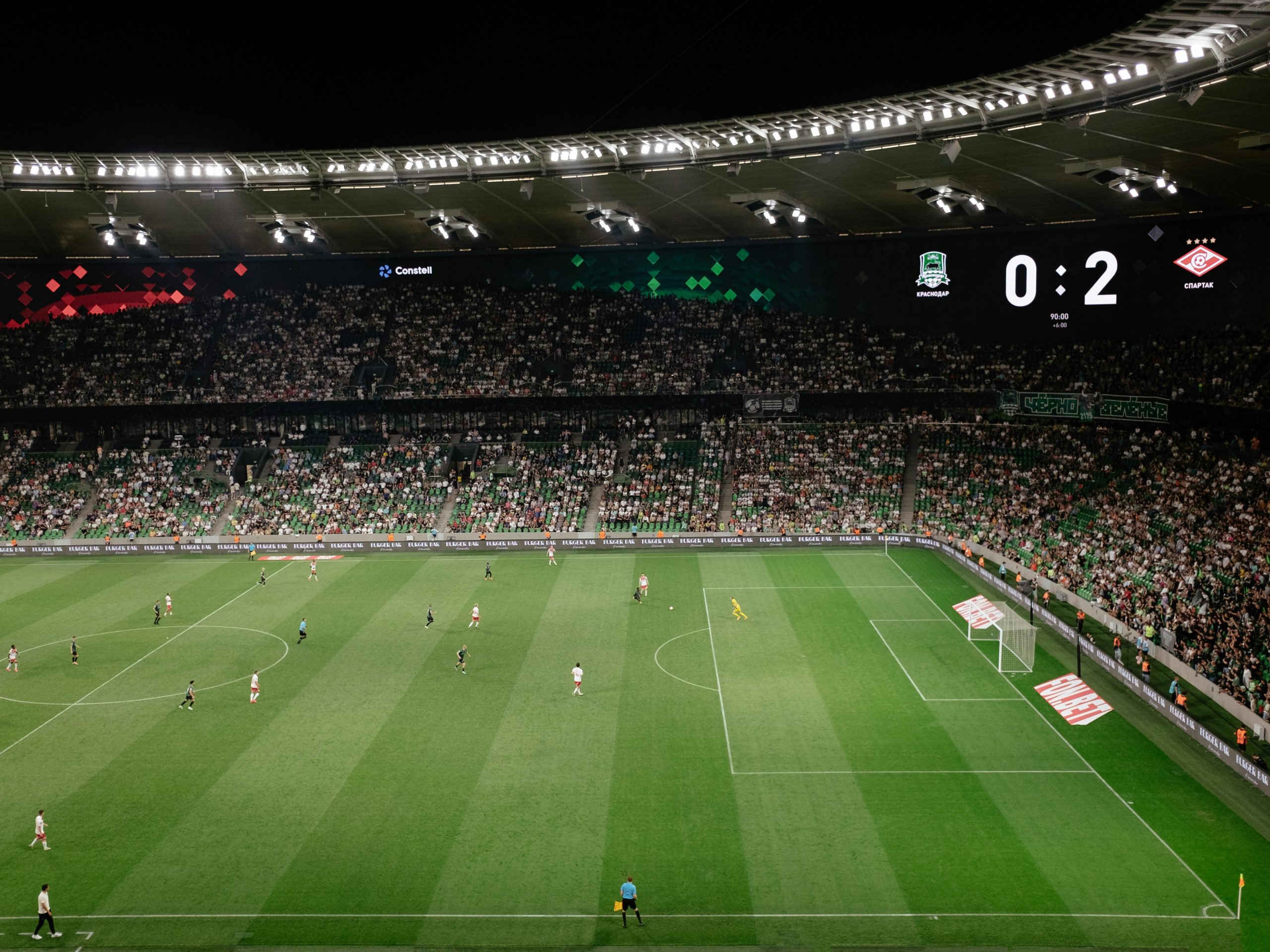
The World Cup’s marketing landscape is shifting, and Web3 is playing an increasingly vital role. Simply put, Web3 technologies like NFTs, blockchain, and the metaverse are offering new ways for brands, fans, and organizers to interact, creating deeper engagement and more personalized experiences beyond traditional advertising. This isn’t about replacing established marketing strategies, but rather augmenting them with decentralized, transparent, and ownership-oriented solutions.
The days of fans being passive consumers are fading. Web3 empowers them to become active participants and even stakeholders.
NFTs as Collectibles and Access Passes
Non-fungible tokens, or NFTs, are proving to be more than just digital art. For the World Cup, they can function as unique, verifiable digital collectibles that tap into fan loyalty. Imagine owning a limited-edition NFT celebrating a historic goal or a specific player’s achievement. This creates a sense of exclusivity and direct ownership not possible with traditional merchandise.
Beyond static images, NFTs can also act as dynamic access passes. This could mean exclusive content, behind-the-scenes footage, or even early bird access to ticket sales for future tournaments. Brands can leverage these NFTs to build ongoing relationships with their most dedicated fans, offering tiered benefits based on the rarity or type of NFT owned.
Gamified Experiences in the Metaverse
The metaverse, while still evolving, offers immersive environments where fans can virtually connect. During the World Cup, this could translate into branded virtual stadiums where fans from around the globe can ‘attend’ matches, interact with avatars of their favorite players, or participate in mini-games.
Imagine Adidas creating a virtual football pitch where users can test out new boots, or Coca-Cola hosting avatar-based challenges with digital rewards. These gamified experiences drive interaction and extend the World Cup spirit beyond the physical stadiums, fostering a sense of community among geographically dispersed fans.
The emergence of a World Cup Web3 commercial ecosystem is reshaping how fans engage with the tournament, offering innovative ways to interact with their favorite teams and players. A related article discusses the latest advancements in live streaming apps for football, highlighting how these technologies are enhancing the viewing experience for fans worldwide. For more insights, you can read the article here: here.
Empowering Brands with Data and Transparency
Web3’s underlying blockchain technology brings a level of transparency and data integrity that traditional marketing often lacks. This can be a game-changer for brands seeking clearer insights and more trustworthy relationships with their audience.
Verifiable Sponsorship and Fan Data
Blockchain provides a tamper-proof ledger for transactions. For sponsorships, this means sponsors can have verifiable proof of their investment’s reach and impact. Every interaction, every engagement tied to a blockchain-based campaign, can be recorded and audited, offering a clearer picture of ROI.
Regarding fan data, Web3 can enable a more ethical and transparent exchange. Instead of brands harvesting data without consent, decentralized identity solutions could allow fans to control their own data, choosing what information they share and potentially even earning rewards for doing so. This builds trust and fosters a more equitable data ecosystem.
Decentralized Autonomous Organizations (DAOs) for Fan Governance
While perhaps a more futuristic application, DAOs could allow fans to have a collective say in certain aspects of World Cup marketing or even team decisions. Imagine a DAO where token holders – passionate fans – vote on merchandise designs, charity initiatives, or even minor rule changes for a friendly exhibition match.
This level of co-creation and distributed governance can deepen fan loyalty significantly. It transforms fans from consumers into active stakeholders, aligning their interests more closely with the tournament and its associated brands. It’s a fundamental shift from top-down decision-making to a more collaborative model.
New Revenue Streams for Organizers and Partners

The integration of Web3 presents novel opportunities for generating revenue, moving beyond traditional ticketing and advertising models.
Royalty-Bearing NFTs and Digital Merchandise
Unlike physical merchandise which typically offers a one-time profit, NFTs can be programmed with royalties. This means that every time an official World Cup NFT is resold on a secondary market, a percentage of that sale can go back to the organizers, artists, or players involved. This creates an ongoing revenue stream from digital assets long after the initial sale.
Imagine a collection of iconic goal NFTs. As demand grows and these NFTs are traded among collectors, the World Cup organizers continue to benefit. This introduces a passive income model that traditional merchandise alone cannot replicate. Digital merchandise, such as exclusive metaverse wearables or virtual stadium enhancements, also offers high-margin potential with minimal production costs.
Tokenized Ticketing and Event Funding
Blockchain-based ticketing can address several issues, including counterfeiting and scalping. Each ticket can be a unique, verifiable NFT, making it impossible to duplicate. This ensures fans are purchasing legitimate tickets and makes secondary market transactions more transparent, potentially allowing organizers to capture a fair share of resales.
Beyond simply selling tickets, tokenization can also be used for event funding. Imagine selling World Cup tokens that grant holders various benefits, from early access to special experiences. This effectively crowdfunding aspects of the tournament, with participants directly invested in its success and growth. It’s a way to engage fans financially without relying solely on traditional investment channels.
Enhancing Global Reach and Inclusivity

Web3’s inherent decentralization and borderless nature can help the World Cup reach a broader, more diverse audience and offer more inclusive experiences.
Breaking Down Geographical Barriers
The metaverse and NFT platforms are inherently global. Fans in regions with limited physical access to matches or merchandise can still participate meaningfully. A fan in an remote village, unable to travel to the host country, can still collect official NFTs, engage in virtual events, or participate in a DAO.
This fosters a sense of global unity and broadens the World Cup’s appeal beyond traditional geographic boundaries. It’s about making the experience accessible, regardless of a fan’s location or economic constraints regarding travel. Digital experiences can be more equitable in terms of access.
Micro-Sponsorships and Community-Driven Content
Web3 can lower the barrier to entry for smaller brands and even individuals to engage with the World Cup. Imagine local fan groups or independent artists creating World Cup-themed digital content, which can then be tokenized and supported through micro-sponsorships via crypto donations or fractional ownership.
This decentralizes content creation and promotion, allowing a wider array of voices and creativity to flourish. It moves away from exclusive, high-cost sponsorship deals and opens opportunities for community-driven initiatives that can resonate more authentically with different fan segments. It’s about enabling a longer tail of engagement and activation.
As the World Cup approaches, the integration of Web3 technologies into the commercial ecosystem is becoming increasingly significant. This shift not only enhances fan engagement but also opens new avenues for revenue generation through digital assets and blockchain solutions. For a deeper understanding of how these innovations are reshaping the landscape of global sports, you can explore this insightful article on the topic. Check it out here.
Navigating the Challenges and Future Outlook
| Metrics | Data |
|---|---|
| Number of Web3 World Cup NFT collections | 15 |
| Total value of Web3 World Cup NFT sales | 5,000,000 |
| Average price of Web3 World Cup NFTs | 0.1 ETH |
| Number of Web3 World Cup NFT holders | 10,000 |
While Web3 presents numerous opportunities, its integration isn’t without hurdles. Understanding these challenges is crucial for effective implementation.
Regulatory Uncertainty and User Adoption
The Web3 space is still somewhat unregulated, which can create uncertainty for large organizations like FIFA and its partners. Clarity around digital asset ownership, taxation, and consumer protection is evolving, and brands need to navigate this landscape carefully.
User adoption is another significant factor. While crypto and blockchain awareness is growing, mainstream adoption is not universal. Interfaces need to be intuitive, and education is key to bringing a broader audience into the Web3 ecosystem. The learning curve needs to be minimized for a frictionless experience.
Technical Infrastructure and Security Concerns
Scalability of blockchain networks, energy consumption related to certain proof-of-work systems, and the need for robust security measures are technical considerations. Protecting user data, preventing hacks, and ensuring the stability of Web3 platforms are paramount for maintaining trust.
The underlying infrastructure must be able to handle the immense traffic and transactions associated with a global event like the World Cup. Any technical glitches can severely damage reputation and user confidence. Investing in secure, scalable solutions is vital.
Sustainability and Ethical Considerations
The environmental impact of certain blockchain technologies is a legitimate concern. While many networks are moving towards more sustainable proof-of-stake models, brands need to be mindful of their carbon footprint when choosing Web3 partners and solutions.
Furthermore, ethical considerations around digital ownership, accessibility for all, and preventing speculative bubbles in NFT markets need careful thought. The goal is to enhance the fan experience, not contribute to unethical practices or create exclusive digital divides.
The Road Ahead
Despite these challenges, the trajectory for Web3 integration into major global events like the World Cup is upward. We are likely to see more sophisticated NFT utility, richer metaverse experiences, and a deeper exploration of decentralized fan governance. The focus will shift from novelty to utility and sustained value. The World Cup, with its global appeal and massive audience, is a prime testing ground for these innovations. As technology matures and regulations become clearer, Web3 will undoubtedly play an even larger role in shaping how we experience and market sporting spectacles. The aim is to create a more interactive, inclusive, and rewarding experience for everyone involved.
FAQs
What is the World Cup Web3 commercial ecosystem?
The World Cup Web3 commercial ecosystem refers to the network of commercial activities and transactions related to the FIFA World Cup that are conducted using Web3 technologies, such as blockchain and decentralized finance (DeFi).
How does Web3 technology impact the World Cup commercial ecosystem?
Web3 technology impacts the World Cup commercial ecosystem by providing a decentralized and transparent platform for various commercial activities, including ticket sales, merchandise transactions, sponsorship deals, and fan engagement initiatives.
What are some examples of Web3 applications in the World Cup commercial ecosystem?
Examples of Web3 applications in the World Cup commercial ecosystem include blockchain-based ticketing systems to prevent fraud, NFT (non-fungible token) collectibles for fan engagement, decentralized sponsorship and advertising platforms, and smart contracts for transparent and automated commercial agreements.
What are the benefits of using Web3 technology in the World Cup commercial ecosystem?
The benefits of using Web3 technology in the World Cup commercial ecosystem include increased transparency, reduced fraud and counterfeit activities, enhanced fan engagement opportunities, streamlined commercial transactions, and the potential for new revenue streams through innovative digital assets.
How is the World Cup Web3 commercial ecosystem expected to evolve in the future?
The World Cup Web3 commercial ecosystem is expected to evolve in the future with the continued adoption of blockchain and decentralized technologies, leading to further innovation in ticketing, fan engagement, sponsorship, and merchandise sales, as well as the exploration of new revenue models and digital experiences for fans.